The logistics industry is evolving rapidly. Rising customer expectations, global supply chain disruptions, and increasing operational complexity have forced logistics providers to rethink how their technology systems operate. For years, companies focused on integration — connecting systems so they could exchange data efficiently. While integration improved communication between platforms, it often failed to create truly intelligent and adaptive supply chain operations.
Today, logistics companies are moving toward orchestration — a more advanced approach that not only connects systems but also coordinates workflows, automates decisions, and optimizes operations in real time.
This shift from integration to orchestration is transforming logistics platforms into smarter, faster, and more resilient ecosystems.
Understanding Integration in Logistics
Integration has long been the foundation of digital logistics. It enables different software systems to communicate with each other. For example, a transportation management system (TMS) can share shipment data with a warehouse management system (WMS), while ERP systems exchange order and inventory information with fulfillment platforms.
These integrations reduce manual work, improve visibility, and streamline operations. However, traditional integration models often rely on fixed workflows and point-to-point connections. While systems can exchange information, they typically do not make intelligent operational decisions on their own.
For instance, if a shipment is delayed due to weather conditions, integrated systems may notify stakeholders about the issue, but human operators still need to manually coordinate rerouting, update customers, and manage downstream impacts.
As supply chains become more dynamic and unpredictable, this limitation becomes increasingly significant.
What Is Orchestration?
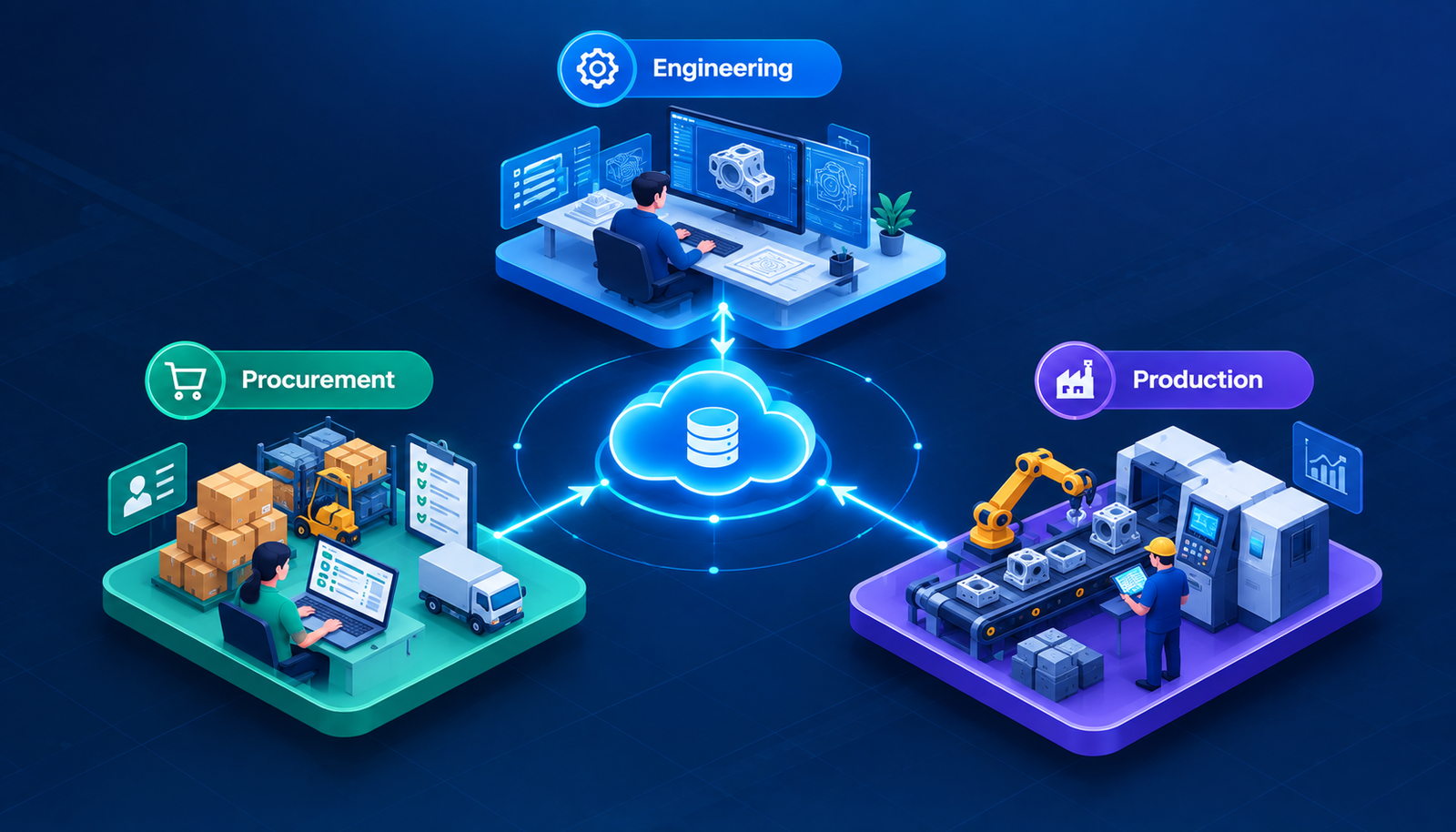
Orchestration takes logistics technology a step further. Instead of simply enabling communication between systems, orchestration coordinates and manages workflows across the entire logistics ecosystem.
An orchestration platform acts as a centralized intelligence layer that connects systems, processes, partners, and operational data in real time. It automates actions, adapts workflows dynamically, and helps organizations respond faster to disruptions.
In simple terms:
- Integration connects systems.
- Orchestration coordinates operations.
This difference is critical in modern logistics environments where delays, inventory shortages, and transportation disruptions require immediate responses.
Why Logistics Platforms Are Moving Toward Orchestration
Several industry trends are driving the transition from integration to orchestration.
Increasing Supply Chain Complexity
Modern supply chains involve multiple stakeholders, including manufacturers, suppliers, carriers, warehouses, customs authorities, and last-mile delivery providers. Each participant generates real-time operational data that must be managed efficiently.
Traditional integration models often become difficult to scale because every new connection increases complexity. As companies expand globally, managing hundreds of APIs and system dependencies becomes expensive and operationally fragile.
Orchestration simplifies this complexity by creating centralized workflow management across systems and partners.
Demand for Real-Time Visibility
Customers now expect real-time shipment tracking, accurate delivery estimates, and immediate updates when delays occur. Businesses also require end-to-end visibility across inventory, transportation, and fulfillment operations.
Integrated systems can share data, but orchestration platforms can actively monitor operations and trigger automated responses based on changing conditions.
For example, if a delivery route becomes unavailable, an orchestration platform can automatically reroute shipments, notify carriers, and update customers without requiring manual intervention.
Need for Faster Decision-Making
Supply chain disruptions have become more frequent due to geopolitical events, weather conditions, labor shortages, and fluctuating demand patterns. Logistics companies must respond quickly to avoid delays and operational bottlenecks.
Orchestration platforms support faster decision-making by combining real-time data, automation, and business rules into a unified operational workflow.
This allows organizations to shift from reactive operations to proactive supply chain management.
Key Benefits of Orchestration in Logistics
Workflow Automation
One of the biggest advantages of orchestration is automation. Logistics operations involve numerous repetitive processes such as shipment booking, route planning, invoice processing, customs documentation, and inventory updates.
Orchestration platforms automate these workflows across systems and departments, reducing manual effort and improving operational speed.
Automation also minimizes errors, which is especially important in high-volume logistics environments.
Improved Operational Agility
Supply chains are constantly changing. Transportation delays, supplier issues, and demand fluctuations require logistics providers to adapt quickly.
Orchestration enables dynamic workflows that can respond automatically to disruptions. Instead of relying on static processes, businesses can continuously optimize operations based on live conditions.
This flexibility improves resilience and reduces downtime across logistics networks.
Centralized Visibility
Fragmented visibility is a common challenge in logistics. Different teams often rely on separate systems that do not provide a complete operational picture.
Orchestration platforms consolidate data from multiple systems into a centralized dashboard, allowing businesses to monitor shipments, inventory, warehouse activity, and transportation performance in real time.
This visibility improves coordination and enables better strategic decision-making.
Better Customer Experience
Customer expectations continue to rise, especially in e-commerce and last-mile delivery operations. Customers expect transparency, speed, and reliability.
Orchestration platforms improve customer experience by enabling proactive communication and faster issue resolution. If delays occur, systems can automatically notify customers, adjust delivery estimates, and initiate corrective workflows.
This creates a more responsive and reliable logistics experience.
The Role of Cloud and AI
The rise of orchestration is closely linked to cloud-native technologies and artificial intelligence.
Cloud-based logistics platforms provide the scalability and flexibility required for modern orchestration. They support real-time data processing, distributed operations, and seamless collaboration across global supply chains.
At the same time, AI is making orchestration more intelligent.
AI-powered orchestration platforms can:
- Predict transportation delays
- Optimize delivery routes
- Forecast demand
- Analyze carrier performance
- Identify operational risks
- Improve inventory planning
For example, machine learning models can detect patterns that indicate potential shipment disruptions and automatically trigger alternative workflows before delays occur.
This predictive capability helps logistics companies operate more efficiently while reducing operational risks.
Challenges in Transitioning to Orchestration
Despite its advantages, moving from integration to orchestration is not always easy.
Legacy Systems
Many logistics companies still rely on outdated infrastructure that was not designed for real-time orchestration. Modernizing these systems often requires significant investment and technical expertise.
Data Quality Issues
Orchestration depends heavily on accurate and standardized data. Inconsistent formats and disconnected data sources can reduce automation effectiveness and create operational errors.
Organizational Change
Orchestration is not only a technology shift but also a cultural one. Teams must adopt more collaborative and data-driven operational models.
Organizations often need to redesign workflows and train employees to work within automated environments.
Security and Compliance
As logistics platforms become more interconnected, cybersecurity risks increase. Businesses must ensure strong access controls, encryption, and compliance with regional trade and data regulations.
Security becomes especially important when multiple external partners are connected through orchestration platforms.
The Future of Logistics Platforms
The future of logistics will increasingly revolve around intelligent orchestration. As AI, IoT devices, and automation technologies continue to evolve, logistics platforms will become more autonomous and predictive.
Future orchestration systems may include:
- Autonomous route optimization
- Real-time sustainability tracking
- AI-driven warehouse coordination
- Predictive supply chain risk management
- Self-healing operational workflows
These capabilities will help businesses create faster, more efficient, and more resilient supply chains.
Conclusion
The shift from integration to orchestration represents a major transformation in logistics technology. While integration helped systems communicate, orchestration enables supply chains to operate as coordinated, intelligent ecosystems.
In today’s fast-moving logistics environment, simple connectivity is no longer enough. Businesses need platforms that can automate workflows, adapt to disruptions, and optimize operations in real time.
Orchestration provides the agility, visibility, and intelligence required to meet these demands. As logistics networks become more complex, companies that embrace orchestration will be better positioned to improve efficiency, enhance customer experience, and build more resilient supply chains.
The future of logistics is not just connected systems — it is connected decision-making.