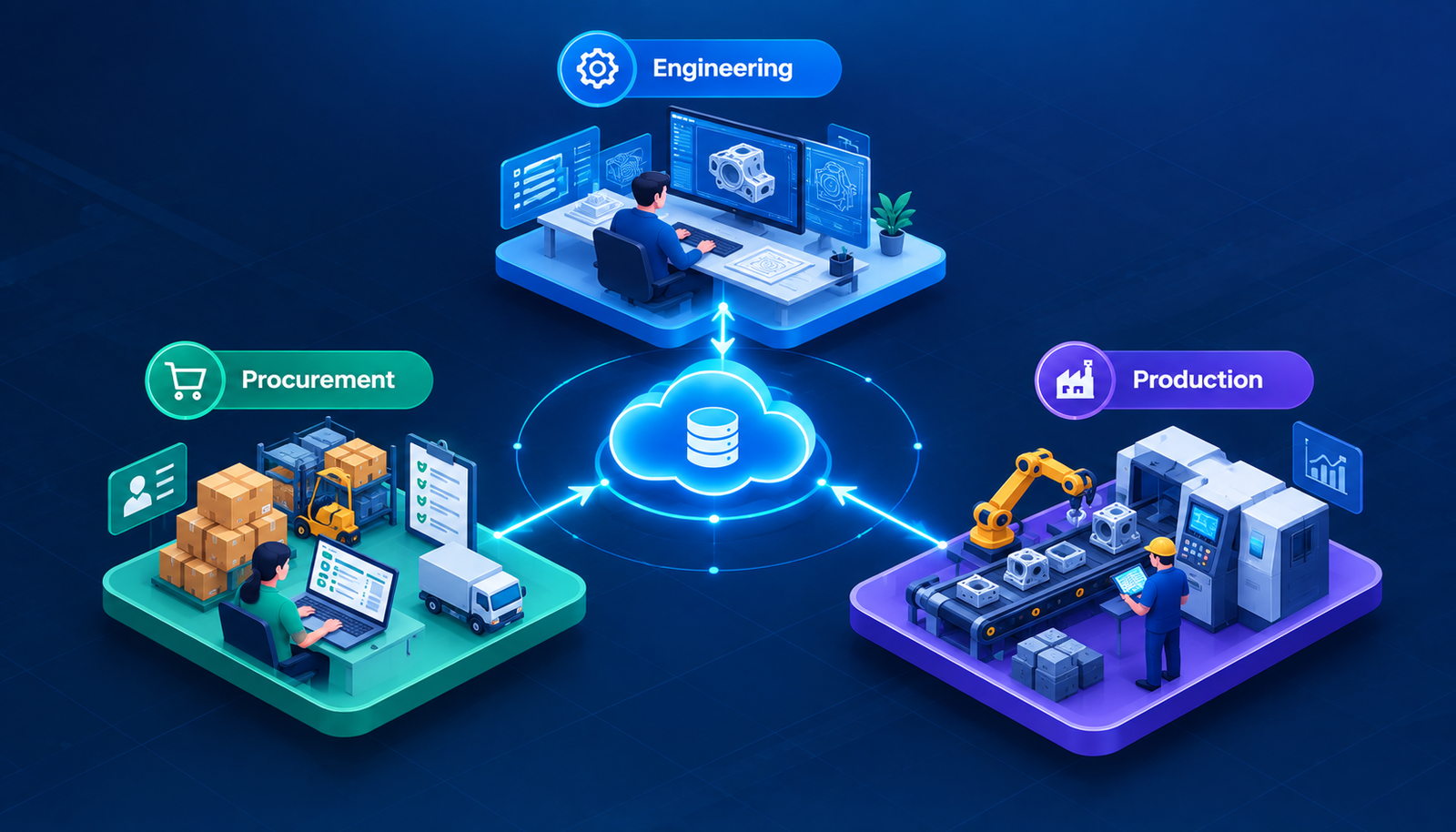
In today’s fast-paced digital landscape, legacy systems often become a double-edged sword. On one hand, they are reliable, deeply integrated, and critical to daily operations. On the other, they can be rigid, costly to maintain, and resistant to innovation. The challenge for organizations is clear: how do you modernize these systems without disrupting the very business processes they support?
Understanding the Legacy Dilemma
Legacy systems are typically built on outdated technologies but remain essential because they support core functions such as finance, operations, or customer management. Replacing them outright can be risky, expensive, and time-consuming. Any downtime or failure during transition could impact revenue, customer experience, and internal productivity.
Modernization, therefore, must be approached strategically—not as a sudden overhaul, but as a gradual, controlled evolution.
Key Strategies for Seamless Modernization
1. Adopt a Phased Approach
Instead of a “big bang” replacement, organizations should modernize systems incrementally. Breaking the system into smaller components allows teams to update or replace parts without affecting the entire infrastructure. This reduces risk and ensures continuity of operations.
2. Leverage APIs and Integration Layers
Introducing APIs (Application Programming Interfaces) can help bridge the gap between old and new systems. By wrapping legacy systems with APIs, businesses can extend functionality, enable integration with modern applications, and improve accessibility without altering the core system immediately.
3. Embrace Cloud Migration Gradually
Moving to the cloud doesn’t have to happen all at once. Hybrid models allow organizations to retain critical workloads on-premises while migrating less sensitive or more flexible components to the cloud. This ensures stability while unlocking scalability and performance benefits.
4. Prioritize Business-Critical Functions
Not all parts of a legacy system are equally important. Identify high-impact areas that would benefit most from modernization—such as customer-facing services or data analytics—and prioritize those. This ensures that modernization efforts deliver visible value early on.
5. Implement Robust Testing and Monitoring
Continuous testing is essential to ensure that new changes do not disrupt existing workflows. Automated testing, real-time monitoring, and rollback mechanisms can help detect issues early and maintain system reliability throughout the transition.
6. Invest in Change Management
Technology is only one side of modernization. Employees must adapt to new systems, processes, and tools. Providing training, clear communication, and support ensures smoother adoption and minimizes resistance within the organization.
Minimizing Business Disruption
To truly avoid disruption, organizations must align modernization efforts with business cycles. For example, implementing major updates during low-traffic periods or outside peak seasons can significantly reduce risk. Additionally, maintaining parallel systems during transition phases allows businesses to fall back on legacy systems if needed.
Clear communication with stakeholders—both internal teams and customers—is also critical. Transparency builds trust and prepares everyone for upcoming changes.
The Role of Automation and DevOps
Automation and DevOps practices play a crucial role in modernizing legacy systems efficiently. Continuous integration and continuous deployment (CI/CD) pipelines allow for faster, safer updates. Automation reduces human error and ensures consistency across environments.
By adopting DevOps, organizations can accelerate innovation while maintaining stability—an essential balance when dealing with legacy infrastructure.
Looking Ahead
Modernizing legacy systems is not just a technical necessity; it’s a business imperative. Companies that fail to evolve risk falling behind competitors who are more agile and responsive to market demands.
However, modernization does not have to come at the cost of disruption. With the right strategy—focused on gradual change, integration, and continuous improvement—organizations can transform their systems while keeping operations running smoothly.
Conclusion
Legacy systems may be rooted in the past, but they don’t have to hold your business back. By taking a thoughtful, phased approach and leveraging modern technologies, organizations can unlock new capabilities without sacrificing stability.
The goal isn’t just to replace old systems—it’s to build a flexible, future-ready foundation that supports growth, innovation, and resilience for years to come.