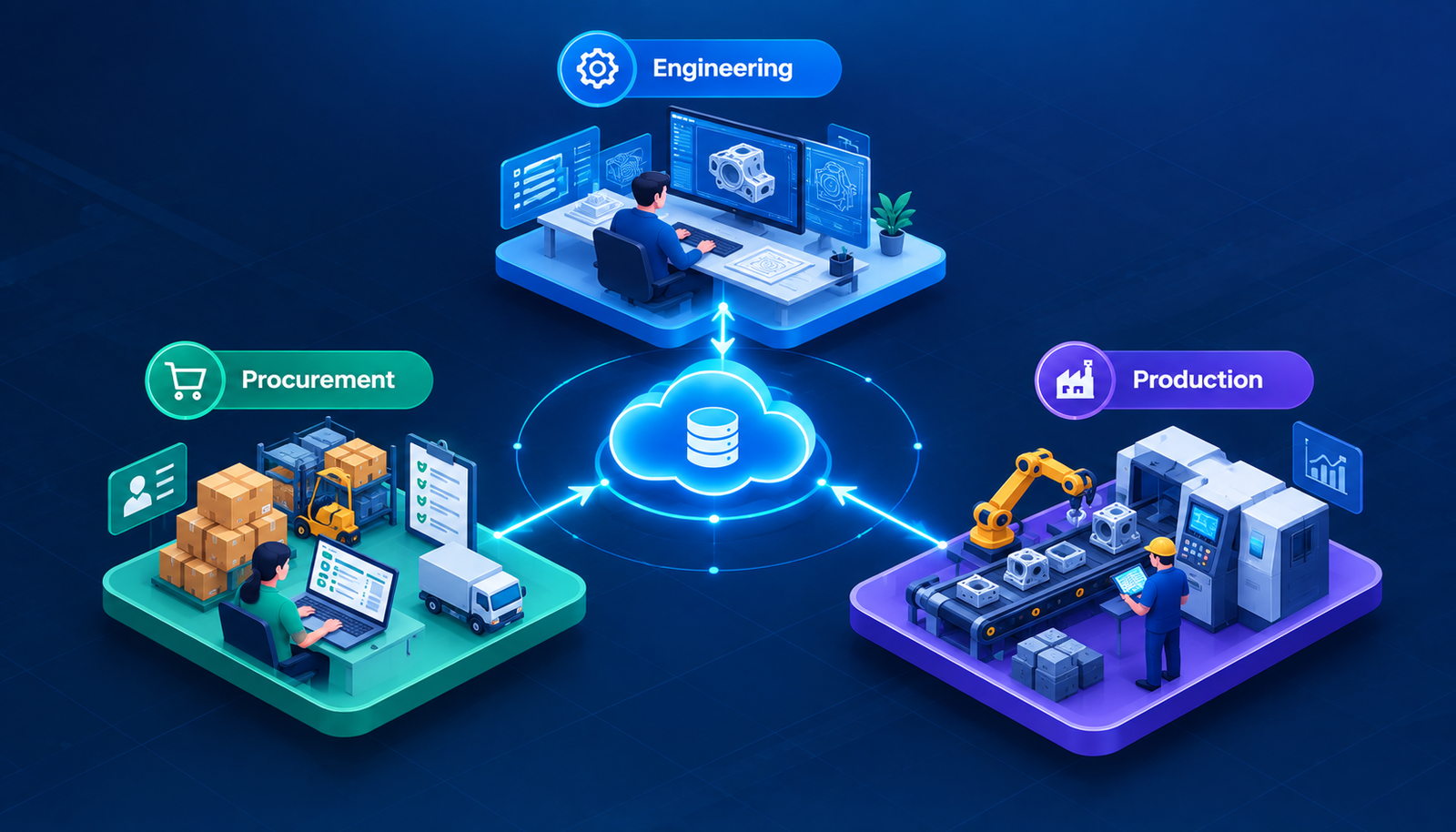
In today’s hyper-connected digital economy, enterprises are under constant pressure to deliver seamless, always-on experiences to users across geographies and devices. Whether it’s e-commerce, fintech, healthcare, or SaaS platforms, the expectation is clear: systems must scale effortlessly and remain resilient under unpredictable conditions. Architecting enterprise-grade digital platforms for scale and resilience is no longer optional—it is a strategic necessity.
Understanding Scale and Resilience
Before diving into architecture patterns, it’s important to define two foundational pillars:
Scalability refers to a system’s ability to handle increased load—whether in terms of users, transactions, or data volume—without compromising performance.
Resilience is the system’s ability to recover from failures, adapt to disruptions, and continue functioning with minimal downtime.
A robust digital platform must excel in both areas simultaneously. Scaling without resilience leads to fragile systems, while resilience without scalability results in bottlenecks.
Core Principles of Enterprise Platform Architecture
1. Microservices Architecture
One of the most widely adopted approaches for enterprise platforms is microservices architecture. Instead of building a monolithic application, systems are broken down into loosely coupled, independently deployable services.
Benefits:
- Independent scaling of services
- Fault isolation
- Faster deployment cycles
- Technology flexibility
By decoupling services, organizations can scale high-demand components (e.g., payment processing or user authentication) without impacting the entire system.
2. Cloud-Native Design
Modern digital platforms are increasingly built using cloud-native principles. Leveraging cloud infrastructure allows organizations to scale dynamically and optimize resource utilization.
Key components include:
- Containerization (e.g., Docker)
- Orchestration (e.g., Kubernetes)
- Serverless computing
- Managed cloud services
Cloud-native architectures enable auto-scaling, high availability, and global distribution—essential for enterprise-grade applications.
3. API-First Approach
An API-first strategy ensures that all services communicate through well-defined interfaces. This promotes interoperability, faster integration, and ecosystem expansion.
Advantages:
- Simplifies frontend-backend separation
- Enables third-party integrations
- Supports omnichannel experiences
Well-designed APIs act as the backbone of scalable and resilient systems.
Designing for Scalability
Horizontal vs Vertical Scaling
- Vertical scaling involves increasing the capacity of a single server (CPU, RAM).
- Horizontal scaling involves adding more servers to distribute the load.
Enterprise platforms should prioritize horizontal scaling as it provides better fault tolerance and flexibility.
Load Balancing
Load balancers distribute incoming traffic across multiple servers to prevent overload. This ensures:
- Improved performance
- High availability
- Reduced latency
Advanced load balancing strategies include round-robin, least connections, and geographic routing.
Caching Strategies
Caching is critical for improving performance and reducing database load. Common caching layers include:
- In-memory caches (Redis, Memcached)
- CDN caching for static assets
- Application-level caching
Effective caching can significantly reduce response times and improve user experience.
Database Scalability
Databases often become bottlenecks in scaling systems. Strategies to address this include:
- Read replicas
- Sharding (partitioning data across nodes)
- NoSQL databases for high throughput
Choosing the right database architecture is crucial for long-term scalability.
Building for Resilience
Fault Tolerance
Fault-tolerant systems continue to operate even when components fail. Techniques include:
- Redundancy
- Failover mechanisms
- Graceful degradation
For example, if a recommendation engine fails, the system should still allow users to browse products.
Circuit Breaker Pattern
This design pattern prevents cascading failures by stopping requests to a failing service. Once the service recovers, traffic resumes gradually.
Chaos Engineering
Testing resilience proactively is essential. Chaos engineering involves intentionally introducing failures to identify weaknesses.
This practice helps teams build confidence in system reliability and improve disaster recovery strategies.
Observability and Monitoring
Resilient systems rely heavily on observability, which includes:
- Logging
- Metrics
- Distributed tracing
Tools like Prometheus, Grafana, and ELK stack provide real-time insights into system health and performance.
High Availability and Disaster Recovery
Enterprise platforms must ensure minimal downtime through high availability (HA) and disaster recovery (DR) strategies.
Multi-Region Deployment
Deploying applications across multiple geographic regions ensures:
- Reduced latency for global users
- Protection against regional outages
Backup and Recovery
Regular backups and automated recovery processes are essential. Key considerations:
- Recovery Time Objective (RTO)
- Recovery Point Objective (RPO)
A well-defined DR strategy ensures business continuity during unexpected failures.
Security and Compliance
Scaling and resilience must not come at the cost of security. Enterprise platforms must incorporate:
- Identity and Access Management (IAM)
- Encryption (data at rest and in transit)
- Secure APIs
- Compliance with regulations (GDPR, HIPAA, etc.)
Security should be integrated into every layer of the architecture.
DevOps and Automation
DevOps practices play a crucial role in building scalable and resilient systems.
Continuous Integration and Continuous Deployment (CI/CD)
Automated pipelines enable:
- Faster releases
- Reduced human error
- Consistent deployments
Infrastructure as Code (IaC)
Tools like Terraform and CloudFormation allow teams to manage infrastructure programmatically, ensuring consistency and repeatability.
Auto-Scaling
Auto-scaling mechanisms dynamically adjust resources based on demand, ensuring optimal performance and cost efficiency.
Event-Driven Architecture
Event-driven systems use asynchronous communication between services. This approach improves scalability and decoupling.
Examples include:
- Message queues (Kafka, RabbitMQ)
- Event streaming platforms
Event-driven architectures are ideal for handling high-volume, real-time data processing.
Performance Optimization
Enterprise platforms must continuously optimize performance through:
- Latency reduction techniques
- Efficient algorithms
- Resource optimization
- Edge computing
Performance tuning is an ongoing process that evolves with user demand.
Real-World Use Cases
Leading enterprises leverage these architectural principles to build robust platforms:
- E-commerce platforms handling millions of transactions daily
- Streaming services delivering content globally
- Financial systems processing real-time payments
These systems rely on scalability and resilience to maintain user trust and operational efficiency.
Key Challenges
Despite best practices, organizations face several challenges:
- Managing distributed systems complexity
- Ensuring data consistency
- Balancing cost and performance
- Handling legacy system integration
Addressing these challenges requires a combination of strong architecture, skilled teams, and the right tools.
Future Trends/h3>
The future of enterprise digital platforms will be shaped by:
- AI-driven infrastructure optimization
- Edge computing expansion
- Serverless-first architectures
- Zero-trust security models
Organizations that embrace these trends will gain a competitive advantage in building next-generation platforms.
Conclusion/h3>
Architecting enterprise-grade digital platforms for scale and resilience is a multifaceted endeavor that requires careful planning, modern technologies, and continuous improvement. By adopting microservices, cloud-native principles, API-first design, and robust resilience strategies, organizations can build systems that not only handle growth but thrive under pressure.
In an era where downtime translates directly to revenue loss and customer dissatisfaction, investing in scalable and resilient architecture is not just a technical decision—it is a business imperative.
Ultimately, the goal is to create digital platforms that are not only powerful and flexible but also reliable and future-ready.