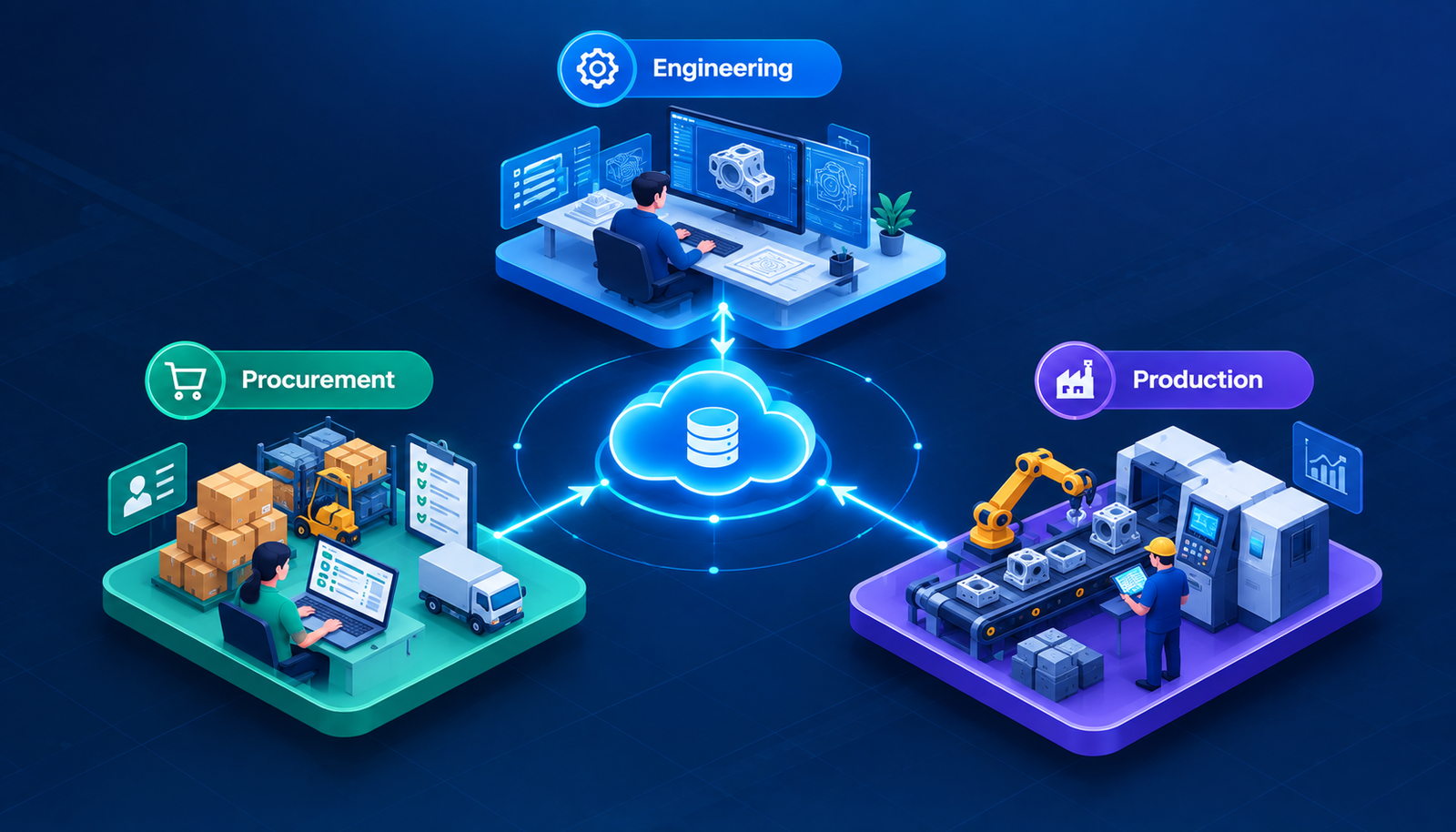
The rise of Software-as-a-Service (SaaS) has fundamentally reshaped how software is built, delivered, and scaled. At the heart of this transformation lies multi-tenancy, an architectural model where a single application instance serves multiple customers (tenants) while keeping their data and configurations isolated.
For high-growth product companies, scaling a multi-tenant SaaS platform is not just a technical challenge, it’s a strategic one. Decisions around architecture, infrastructure, and operations can either accelerate growth or create long-term bottlenecks. This blog explores key lessons learned from companies that have successfully scaled multi-tenant SaaS platforms.
1. Multi-Tenancy Is a Product Strategy, Not Just Architecture
One of the most important lessons is that multi-tenancy is not merely an infrastructure choice—it directly impacts product design, pricing, and go-to-market strategy.
High-growth SaaS companies design their systems with multi-tenancy in mind from day one. Why? Because retrofitting multi-tenancy later is expensive and risky. Early architectural shortcuts often lead to painful migrations as the customer base grows.
Key takeaway: Treat multi-tenancy as a foundational product decision, not an afterthought.
2. Prioritize Isolation: Data, Performance, and Configuration
Scaling a multi-tenant system introduces a core challenge: multiple customers sharing the same infrastructure while expecting complete isolation.
There are three critical dimensions of isolation:
- Data isolation: Prevent any cross-tenant data leaks
- Performance isolation: Avoid “noisy neighbor” issues
- Configuration isolation: Allow tenant-level customization
These are not optional—they are essential to building trust and reliability.
High-growth platforms invest heavily in tenant-aware design, including row-level security, tenant-scoped APIs, and workload isolation strategies.
Lesson: If isolation breaks, your SaaS business breaks.
3. Choose the Right Tenancy Model Early
Not all multi-tenant architectures are created equal. Companies typically choose between:
- Shared database, shared schema (maximum efficiency, higher risk)
- Shared database, separate schemas (balanced approach)
- Separate databases per tenant (maximum isolation, higher cost)
Each model has trade-offs in cost, scalability, and complexity.
High-growth companies often start with a shared model for speed and gradually evolve toward hybrid approaches as enterprise customers demand stronger isolation.
Lesson: Design for evolution—your tenancy model will likely change as you scale.
4. Architect for Scale from Day One (Even If You’re Small)
Many startups optimize for speed early on and defer scalability concerns. This works—until it doesn’t.
As SaaS adoption grows, systems must handle:
- Unpredictable usage patterns
- Large spikes in tenant activity
- Increasing data volume
Modern SaaS platforms must support auto-scaling, resilience, and observability as core capabilities, not add-ons.
High-growth companies embrace cloud-native patterns like microservices, container orchestration (e.g., Kubernetes), and event-driven architectures to handle scale efficiently.
Lesson: Build for scale before you need it, not after
5. Solve the “Noisy Neighbor” Problem Early
In multi-tenant systems, one tenant’s heavy usage can degrade performance for others—a phenomenon known as the “noisy neighbor” problem.
This becomes more pronounced as you scale.
Solutions include:
- Rate limiting per tenant
- Resource quotas
- Workload isolation (e.g., tenant-specific compute pools)
Even database design plays a role. For example, indexing strategies must include tenant identifiers to maintain query performance at scale.
Lesson: Fairness across tenants is as important as overall system performance.
6. Invest in Observability and Tenant-Level Metrics
High-growth SaaS companies don’t just monitor system-level metrics—they track per-tenant behavior.
Why this matters:
- Identify high-value customers
- Detect performance issues affecting specific tenants
- Enable usage-based billing models
Without tenant-level visibility, scaling becomes guesswork.
A common mistake is over-provisioning infrastructure during growth spikes, leading to wasted costs. Smarter teams use predictive scaling and historical usage patterns to optimize resource allocation.
Lesson: You can’t scale what you can’t measure—especially at the tenant level.
7. Design for Customization Without Complexity
As SaaS platforms grow, customers demand customization:
- Custom workflows
- Role-based access control
- Branding and UI variations
But excessive customization can create architectural chaos.
High-growth companies solve this with:
- Configuration-driven design
- Feature flags
- Modular architecture
The goal is to enable flexibility without fragmenting the codebase.
Lesson: Standardize the core, customize at the edges.
8. Security and Compliance Must Scale with You
Enterprise customers bring strict requirements:
- Data privacy (GDPR, SOC 2)
- Audit logs
- Role-based and attribute-based access control
Security is not just about preventing breaches—it’s about demonstrating trust.
Modern SaaS systems adopt zero-trust architectures and continuous monitoring to meet these demands.
Lesson: Security is a growth enabler, not just a safeguard.
9. Optimize for Cost Efficiency at Scale
One of the biggest advantages of multi-tenancy is cost efficiency through shared resources.
However, poorly managed systems can become expensive due to:
- Over-provisioning
- Inefficient queries
- Unoptimized infrastructure
High-growth companies continuously optimize:
- Resource utilization
- Database performance
- Infrastructure costs
Lesson: Scaling is not just about handling more users—it’s about doing so efficiently.
10. Continuous Delivery Without Breaking Tenants
In multi-tenant SaaS, every deployment affects all customers.
This creates a unique challenge:
- How do you ship fast without breaking anyone?
Successful companies rely on:
- Canary deployments
- Tenant-level feature rollouts
- Strong testing and rollback mechanisms
Because updates are centralized, they can be deployed faster—but the blast radius is larger.
Lesson: Speed and stability must coexist.
Conclusion
Scaling a multi-tenant SaaS platform is a journey filled with trade-offs. High-growth product companies succeed not because they avoid complexity, but because they manage it deliberately.
The key lessons are clear:
- Treat architecture as a strategic asset
- Prioritize isolation and fairness
- Design for scale and evolution
- Invest in observability and security
- Balance customization with simplicity
Ultimately, the difference between a SaaS product that scales and one that struggles comes down to architectural discipline and long-term thinking.
As the SaaS market continues to grow rapidly, companies that internalize these lessons will be best positioned to build resilient, scalable, and profitable platforms in the years ahead.